Homegrown With Responsibility
Behind every homegrown Illinois corn product—from corn syrup to ethanol—there are farmers carefully managing the land and their crops.
Everything Illinois farmers raise is Homegrown with Responsibility. This calling is both practical and personal. The farm families depend on it for their livelihoods and their overall well-being.

Michelle Wiesbrook
IL Extension Specialist, Weed Science
Without pesticides, farmers would either produce smaller corn crops or they’d need to farm more acres to offset yield losses. Either scenario would have consumers paying more for food, fuel, and the many corn-based products they use every day.
University of Illinois

Bryan VanBogaert
Agronomy Sales Manager, CHS
We’re consumers too—we drink the same water and eat the same food. What farmers are doing is to benefit the end crop—without it, we wouldn’t have much usable food at harvest.
Sycamore, Illinois

Scott Garlisch
“My wife and I farm full-time. But this isn't just our job – it's our home. Our entire family depends on this farm, which is why we're deeply committed to doing things the right way.”
Forest City, Illinois
Innovation Grows Here
For Illinois farm families, responsibility starts close to home. In this episode, Scott and Brandy Garlisch and agricultural expert Michelle Wiesbrook share how crop protection tools, safety practices and stewardship help farmers care for their crops and land.
We Farm Like They’re Watching, Because They Are
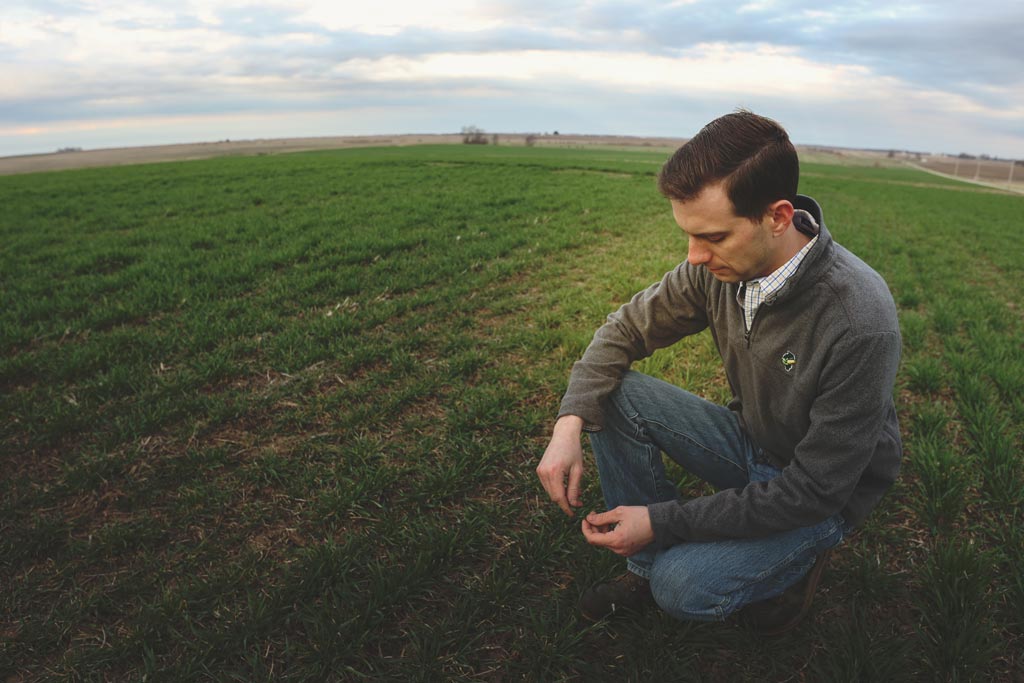
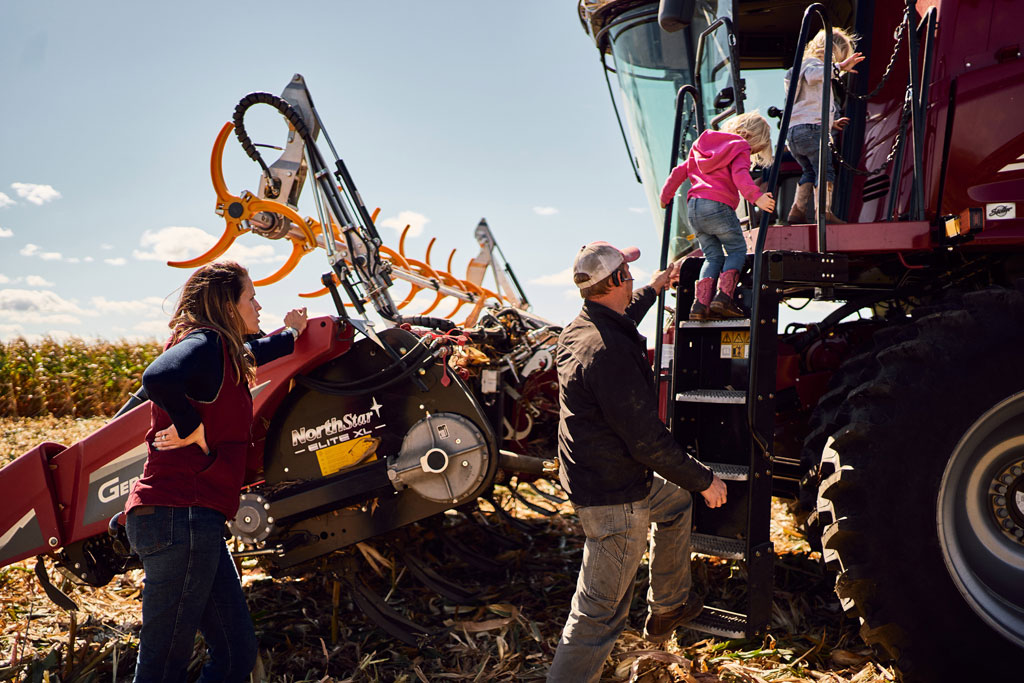
Illinois corn farmers aren’t just growing crops. They’re modeling responsibility and making decisions on everything from soil health to pesticide use with the next generation in mind.





Protecting Crops and Resources
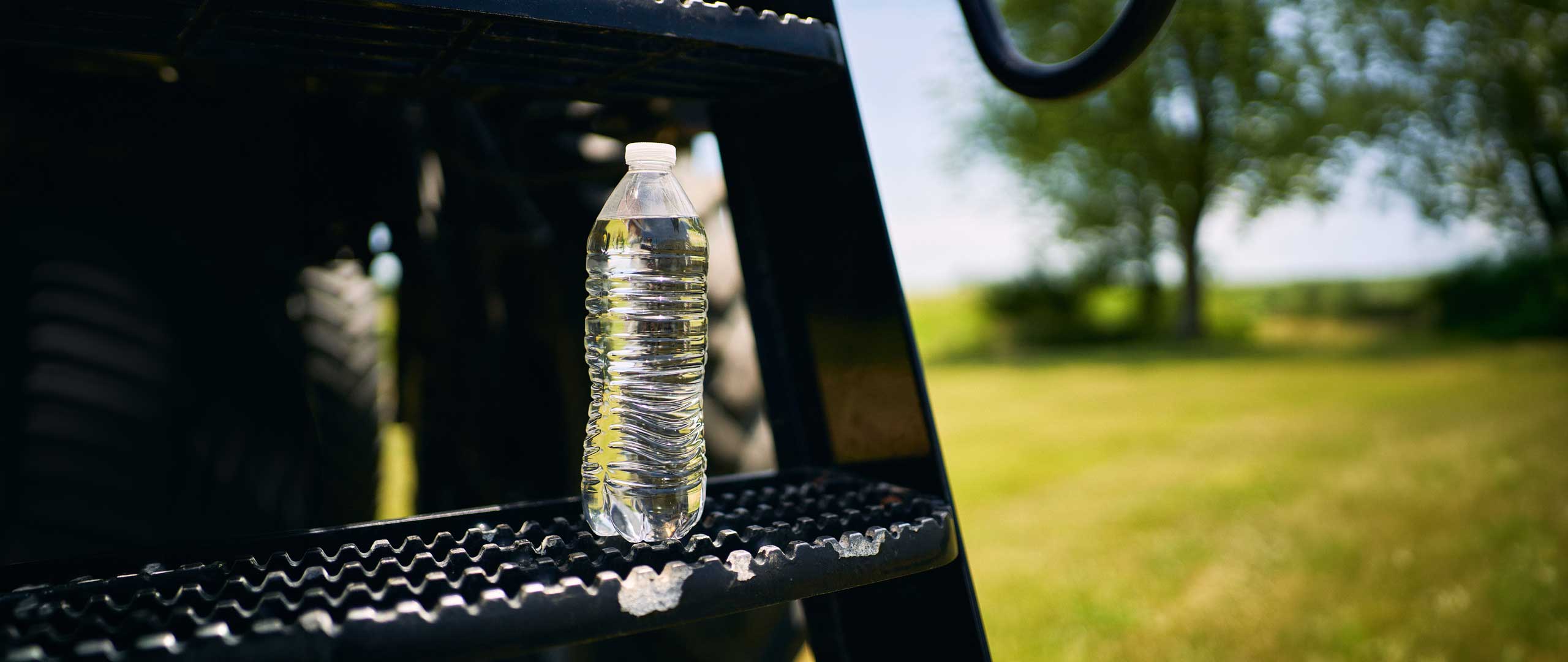
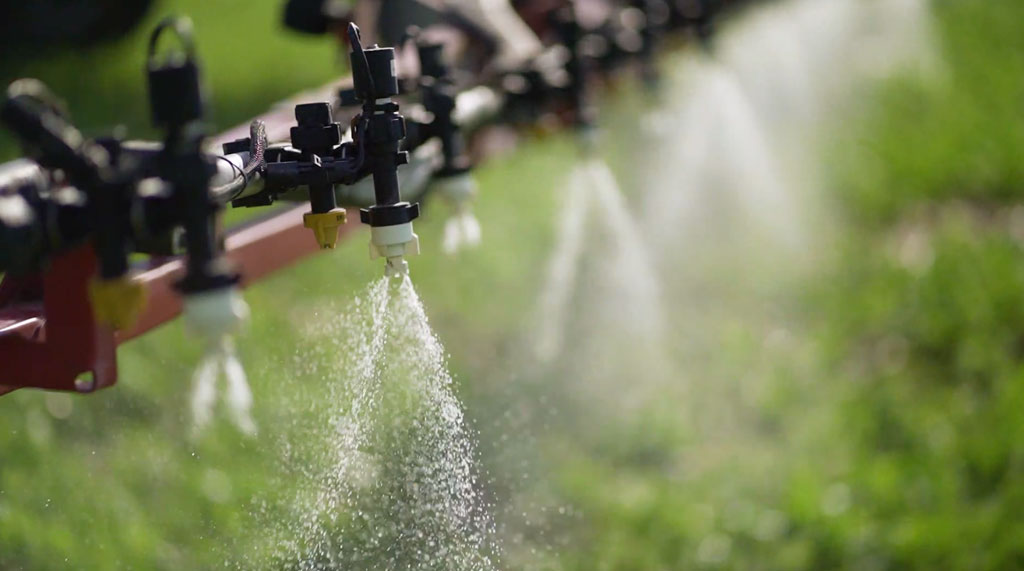
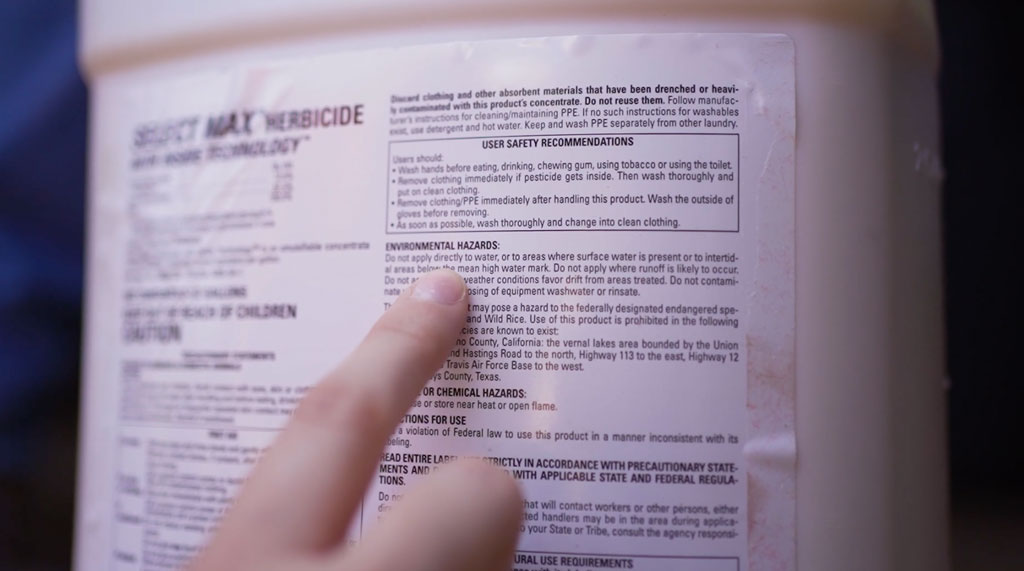
Illinois corn farmers rely on pesticides as a tool to protect crops from insects, weeds, and disease. When farmers apply crop protection products, the actual amount of product used can be surprisingly small. In some cases, it may be about a water bottle’s worth or less spread across a football field-sized area. The active ingredient is mixed with water and applied carefully according to EPA-reviewed label directions.
Pesticides Protect Crops in Many Ways

HERBICIDES
suppress weeds

FUNGICIDES
protect against fungi and mold

INSECTICIDES
limit damage from insects
Depending on the pest being targeted, weather conditions, and available equipment, pesticides may be applied as a seed coating, sprayed over fields, or placed directly into the soil as a granule or liquid. Farmers are required to follow label directions, including pre-harvest waiting periods, so food entering the supply chain meets EPA safety standards for pesticide residues.
However they are applied, the protection pesticides provide helps Illinois corn farmers grow more grain using fewer acres and less fuel, while protecting their soil and lowering their carbon footprint.
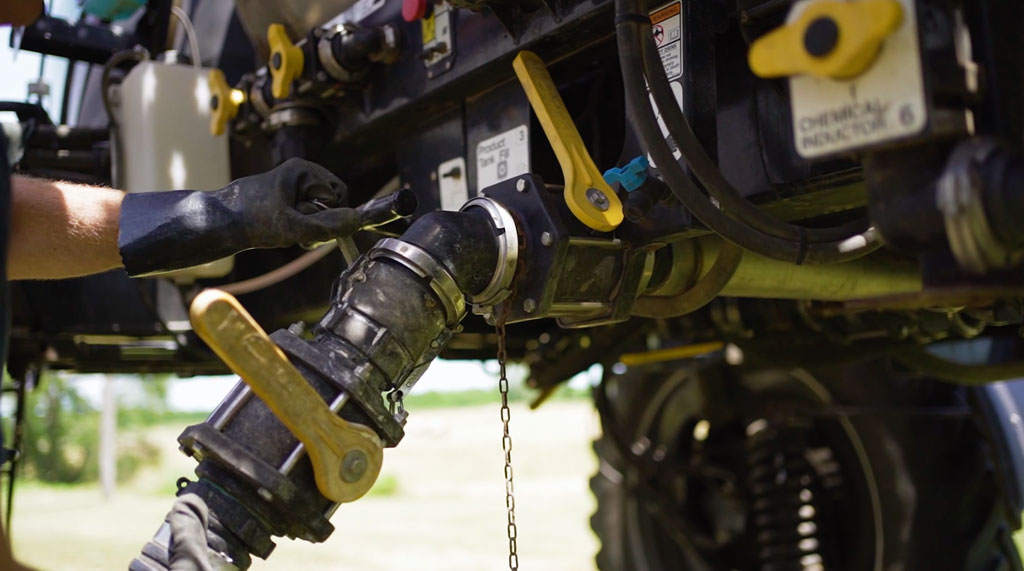
Safety You Can See
Because pesticides can cause harm if misused, there are clear guardrails around how they are approved and used.


Homegrown Goodness
Illinois agriculture supports jobs, affordable food, and everyday products used by families across the state. From what’s in your kitchen to what’s in your car and home, Illinois corn shows up in more places than most people realize.