What is a Pesticide? Understanding A Farmer’s Toolbox for Protecting Crops
If you’ve ever tried to grow something, you understand the heartache. You plant it. You water it. You check it every day. And then one morning, something’s wrong.
Maybe there are holes in the leaves. Maybe weeds appeared overnight. Maybe a bug you’ve never seen before is happily making a meal out of your hard work.
Growing up, I spent plenty of hot summer days pulling weeds out of green bean rows and picking tomato worms off plants. It wasn’t fun, but it mattered, because if we didn’t take care of the pests now, we didn’t get to enjoy the farm fresh veggies later.
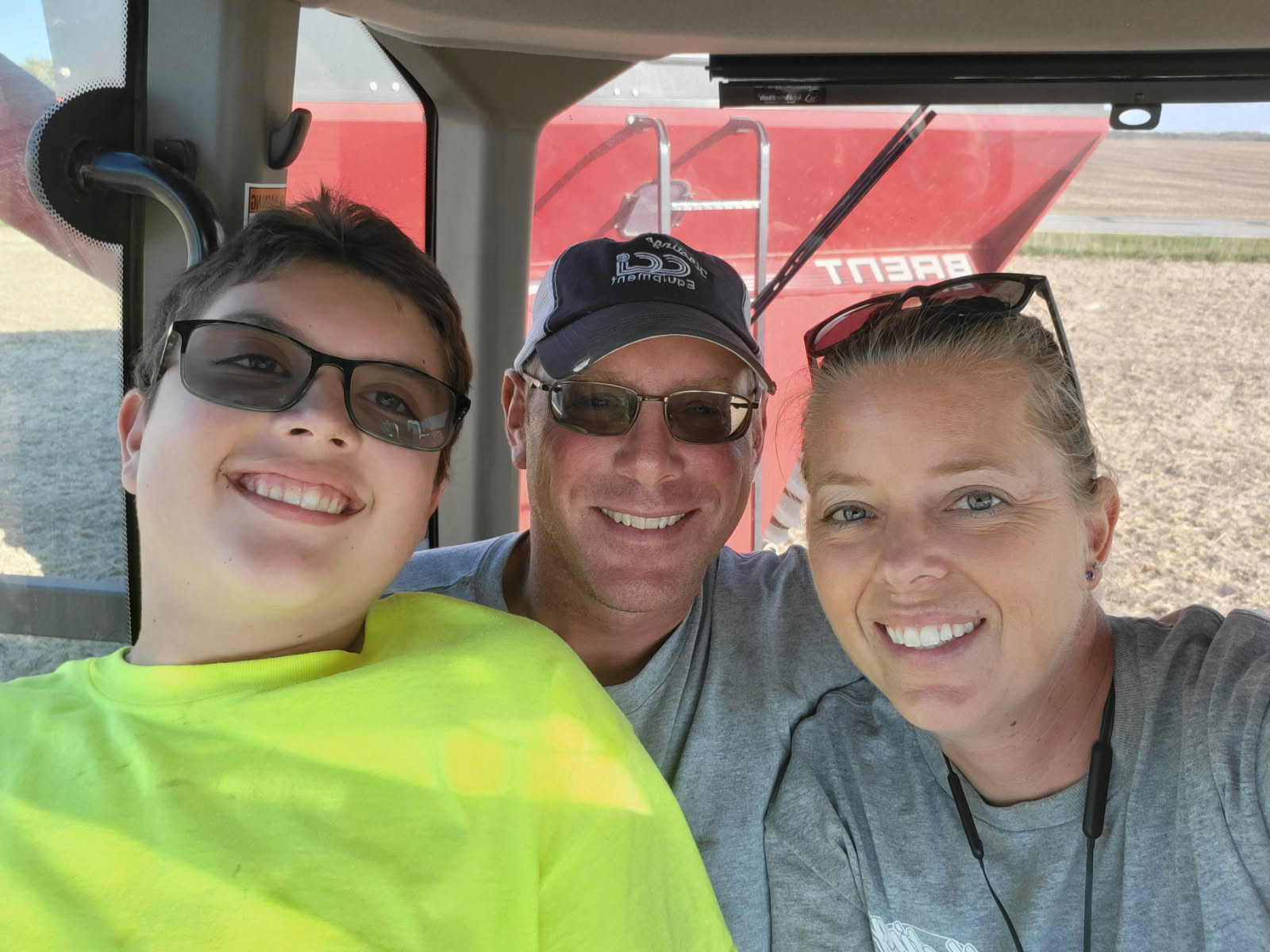
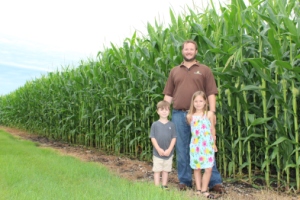
Let’s apply this idea to the 26 million acres of cropland in Illinois, about 75% of our state. As a farmer, I deal with weeds, insects, and diseases just like you do in a garden. The difference is, instead of a few rows or pots, I’m managing acres and acres of corn and soybeans. Just like in your backyard garden, if the pests aren’t controlled, they win and my farm family loses. It matters to me because our crops aren’t just plants, they’re our livelihood.
What is a pesticide and how does it work?
A pesticide is anything that controls a pest – whether that’s an insect, a weed, a fungus, or even bacteria. The term “pesticide” is an umbrella term that covers a lot of different types of products that control different types of pests.
Think about what’s in your home:
- Bleach in your laundry room kills germs.
- Ant spray in your kitchen keeps bugs away.
- Weed killer in your garage clears your sidewalk or driveway.
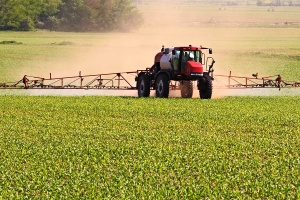
In agriculture, we’re thinking the same as you, except we’re thinking about fields of crops instead of front yards and countertops. Not all pests are the same, so farmers use different tools depending on what they’re dealing with, exactly like you.
There are three main types of pest control substances farmers commonly use:
Insecticides for bugs
Some bugs chew leaves. Others attack roots. Insecticides help protect plants when those insects threaten crop health.
Herbicides for weeds
Weeds aren’t just “ugly plants,” they compete directly with crops for sunlight, water, and nutrients. If they take over, crops struggle to survive. Herbicides help crops get the resources they need, especially early in the season.
Fungicides for fungi and mold
Fungi and molds can spread quickly and quietly, sometimes causing major losses before you even realize there’s a problem. Fungicides help manage those risks.
In all of these pesticide applications, timing matters. The earlier a problem is addressed, the easier it is to manage.
Other pest control options
Farmers also use strategies like crop rotation, which is planting different crops in the same field each year. Many pests prefer one crop over another and changing crops annually can help break those cycles naturally.
Sometimes the solution is still the old-fashioned, hands-on way. “Walking beans” is exactly what it sounds like – walking through soybean fields and pulling weeds by hand. It’s real, it’s exhausting, and it’s a rite of passage for farm kids. But it’s not something you can realistically do across every acre.
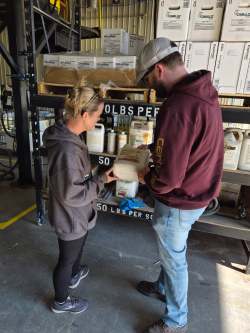
When a pesticide is the best option, I don’t take that decision lightly and I don’t do it alone. I work with trained professionals who are required to complete ongoing education and pass certification exams every three years. They follow strict label instructions for every application, including how much to use, when to use it, and how to apply it safely. That process is what gives me confidence that we’re doing what’s right for our farm, our family, and the people who depend on the food we grow.
Get more answers to your pesticide questions and the safety of your produce.





0 Comments