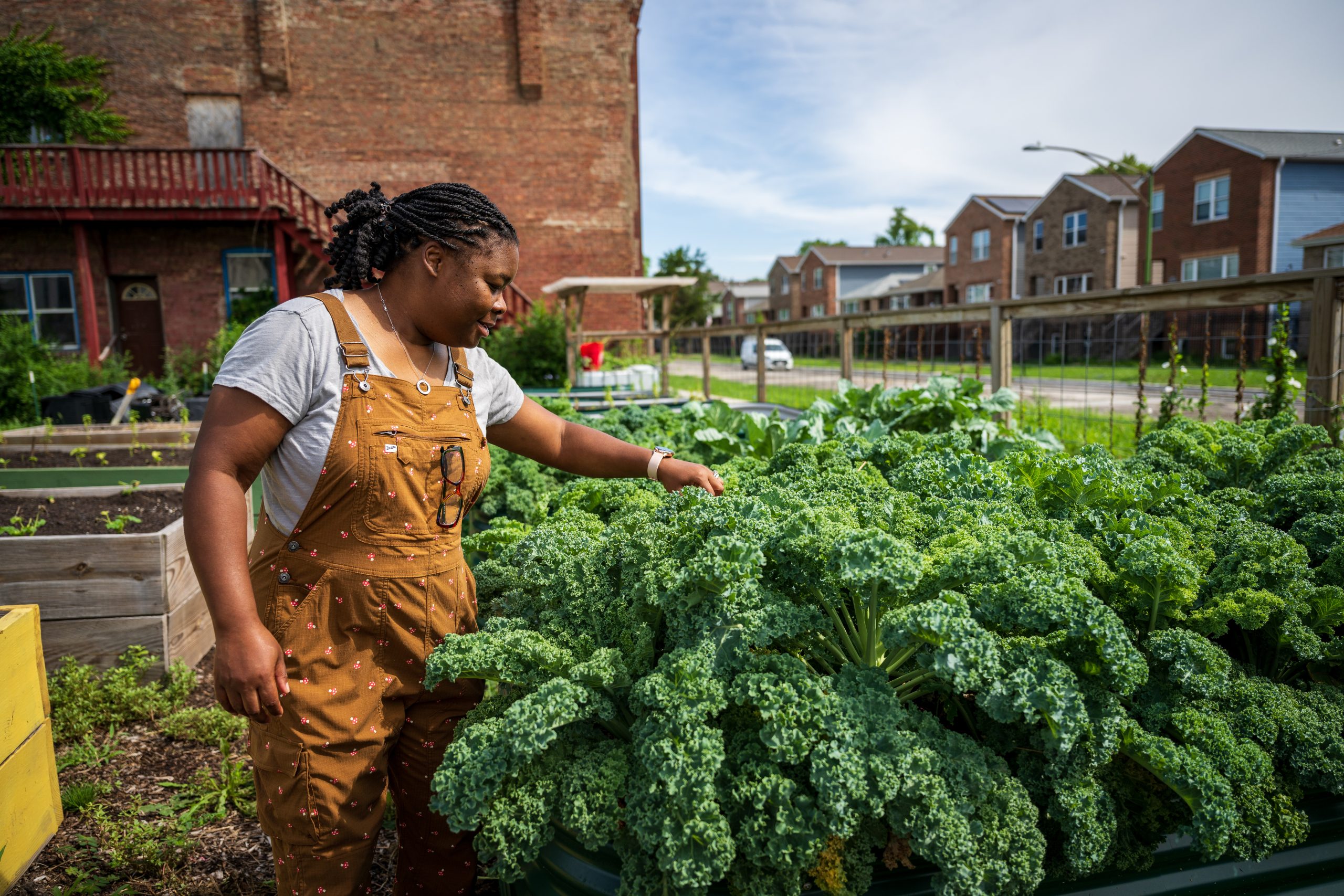
Gardening in Illinois: A Simple Guide to Getting Started
Whether you want to grow fresh veggies, add more pollinator friendly plants, or simply enjoy time outdoors with your family, gardening is one of the most rewarding hobbies you can pick up. Illinois’ rich soils and strong seasonal rhythms offer the perfect backdrop for beginners and seasoned growers alike.
Illinois farmers often remind us that caring for the land runs deep in our state’s DNA—and gardening lets all of us take part in that tradition.
Follow the step-by-step guide below to increase your success in your Illinois garden this year.
Step 1: Pick the Right Space
Gardening doesn’t require a big yard. Whether in a suburban neighborhood or a downtown apartment, when there’s a will to grow, there’s a way to grow! If you’ve got the space, garden in the ground or experiment with raised beds or table beds. If you’re tight on space, growing in pots can be your best friend.
The right location to sprout your seeds can make your first gardening season much easier. Each plant and setup has its own needs. The general rule is to look for:
- 6+ hours of sunlight (most veggies and flowers thrive in full sun).
- Good drainage to avoid soggy soil after rain.
- Nearby water access so watering stays easy (but a watering can will also do for smaller gardens).
- Nutrient-rich soil enhanced with compost or garden fertilizer for added nutrients.
No single “right” method exists. Match your setup to your space and goals, then look up guidance for the plants you choose.
Step 2: Start with Beginner‑Friendly Plants
Some plants demand more attention than others. Start with these reliable options if you’re new to gardening.
Vegetables:
- Tomatoes
- Peppers
- Green beans
- Lettuce
- Zucchini
Explore Illinois Extension’s vegetable-growing resources here: https://extension.illinois.edu/gardening.
Fruits:
- Strawberries
- Raspberries
- Blackberries
Learn more about growing small fruits in Illinois home gardens here: https://extension.illinois.edu/small-fruits.
Flowers & Pollinator Favorites:
- Coneflowers
- Black‑eyed Susans
- Milkweed
- Zinnias
- Marigolds
Want a plant that comes back year after year? Choose a perennial. Read Illinois Farm Bureau Partners’ guide: Planting For the Future: A Perennials Guide for Beginner Gardeners.
Step 3: Prep Your Soil
Before planting, loosen or “till” the soil 6–12 inches deep and mix in compost or other organic matter (shredded leaves, grass clippings, straw, or hay). Properly preparing your soil will encourage plants to develop strong roots that improve water and nutrient uptake, resulting in stronger plants with higher yields. If you use a raised bed or pot, fill it with a quality garden soil mix and water it lightly so it settles.
Curious what your soil needs? There are soil testing labs that measure nutrient levels and pH in soil samples. Cook County Farm Bureau offers a convenient soil testing kit that you can use to learn exactly what your soil needs to grow healthy plants. Illinois farmers test their fields for the same reason—to make smart decisions now and protect soil health for the future. You can use a similar approach in your garden.
Step 4: Plant at the Right Time
Illinois weather changes quickly—warm to cold, wet to dry—so timing matters. Follow the forecast and adjust your planting dates year to year, just like farmers do.
Use this quick seasonal guide:
- Early Spring (April–May): Cool-season crops (lettuce, radishes, peas).
- Late Spring (May–June): Warm-season crops (tomatoes, peppers, squash).
- Early Fall (September–early October): Cool-season flowers and pollinator plants for increased hardiness and an earlier bloom the following spring.
For county-specific frost dates, Illinois Extension has suggested planting calendars.
Step 5: Water & Weeds
Beginners often underwater or overwater their garden — you’re not alone! Everyone’s garden requires different amounts of water based on soil, drainage, and plant needs. Make sure to check your forecast and water more during heat waves and less if rain is in the forecast. You can also use a rain gauge to see how much water your garden has accumulated over a given time frame, and if still unsure, check your soil moisture with a moisture thermometer placed 2-3 inches deep near the plant’s root zone. The moisture thermometer should read between 4 and 7, or “moist,” to ensure there is enough water in the soil. The best time to water is early in the morning, before the sun reaches its peak in the sky. When intense sunlight and water droplets meet on leaves, the water acts like a magnifying glass, burning plants.
This perfect plant setup is a great growing ground for not only the plants you want, but also the ones you don’t – weeds. There are many weed management techniques, from hand pulling to herbicide. In a home garden, start with the least-intensive options first (like hand pulling), then choose targeted products only when you need them and always follow the label directly.
Want to solve two problems with one solution? Try mulch! Proper use of mulch helps keep soil moist, reduces weeds, and protects your plants’ roots during hot Illinois summers.
Check out the Illinois Extension resource Starting a Garden: Weed Management for more weed management tips.
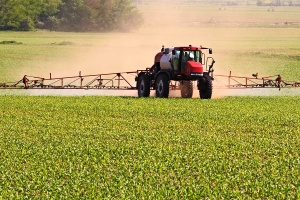
Illinois farmers have to battle with water and weeds with their crops as well. To ensure their crops receive enough water, with or without rain, a few farmers use center pivot irrigation, a water-efficient system that slowly circles a field with a long, moving sprinkler, similar to a giant lawn sprinkler. When it comes to weed management, it isn’t realistic for most farmers to hand-pull weeds across their entire field, so they use crop protection tools that may include herbicide. Farmers who apply pesticides must obtain specific certification and follow strict label directions and safety guidelines when using this tool.
As defined by the Environmental Protection Agency, pesticides are any substance or mixture of substances that are intended to prevent, repel, or mitigate any pest. That said, pesticides can be broken down into the following:
- Herbicide – prevents or suppresses the growth of unwanted plants (weeds).
- Fungicide – prevents or suppresses the growth of fungi and mold.
- Insecticide – repels or mitigates insects from damaging the plant.
Step 6: Invite Pollinators
Bees, butterflies, and other beneficial insects can bring your Illinois garden to life. Plant native species and leave a few areas undisturbed (like a small leaf pile) to support these tiny ecosystems.
30% of food and fiber crops grown in the world, and over 100 crops grown in the U.S. alone, depend on pollinators. Some of these crops are ones you might find in your garden, such as tomatoes. Attracting pollinators is important in your garden and farms alike. Illinois farmers are doing their part to protect pollinators by growing more than 106,000 acres of pollinator habitat across the state.
Check out this article by Illinois Farm Bureau Partners to Learn How Different Flowers Attract Diverse Pollinators and How You Can Support Illinois Pollinators.
Step 7: Keep Learning
Don’t stop here! Check out the linked resources below for ongoing inspiration:
- Illinois Farm Bureau Partners Gardening Archive: an archive of gardening content from Illinois Farm Bureau.
- University of Illinois Extension Gardening: tips, events, and news from the University of Illinois Extension
You’ll get how-to guides, plant profiles, drought solutions, design ideas, and more—tailored to Illinois’ climate and soils.
You can also learn in person at workshops led by local experts. Discover gardening workshops in Chicago here.
Grow Together Without the Daily Grind. Try Community Gardening!
Community gardens are a great way to grow fresh food while sharing the work—and the rewards—with neighbors. You’ll learn from other gardeners, swap seeds and tips, and build a stronger connection to your neighborhood as the season unfolds. Whether you’re short on space or just want to garden with a little extra support, joining a local plot can make it easier to get started and stick with it.
Learn more about community gardening in the Chicago area at www.wesowwegrow.org.
Growing Like an Illinois Farmer
Illinois farmers care deeply about cultivating healthy soil, managing water responsibly, and nurturing plant growth. Gardening lets you bring a little of that stewardship into your own backyard.
Inspired by Illinois Farm Bureau and University of Illinois Extension resources.




0 Comments