
Where Does Your Milk Come From?
Have you ever wondered where your milk comes from? Besides a cow, I mean.
I was fascinated to learn that most of the milk I buy, whether it’s a store brand or a brand name, comes from the same place. On a visit to a local milk processing plant in Huntley, Illinois, truckloads of milk arrived from farms all over Southern Wisconsin and Northern Illinois. The milk underwent a series of quality control tests both on and off the truck. Then it was pasteurized, homogenized, bottled, labeled and distributed under a variety of labels — not all of which were national brands, but the quality was exactly the same.
So, does it make sense to pay more for a brand name? What about taste? Do different brands actually taste different?
Why does my milk taste different?
I learned milk can taste different, but that’s mostly because a cow’s eating habits may change throughout the year. For instance, cow’s milk might taste one way in the summer when warm weather means more grazing on the pasture. It might taste another way when cold weather keeps the cow inside its toasty warm barn eating dried grains. Some people are more sensitive than others to these slight differences. However, the quality of the milk is exactly the same.
How can I tell where my milk came from?
But, if you’re still curious about exactly where your milk came from, (say you want to know which local farmer sold their milk to the plant) you can find out. A handy little number called the Interstate Milk Shipper’s Code or IMS will tell you the exact farm your milk was delivered from. Just look at a carton of milk and find a series of letters and numbers.
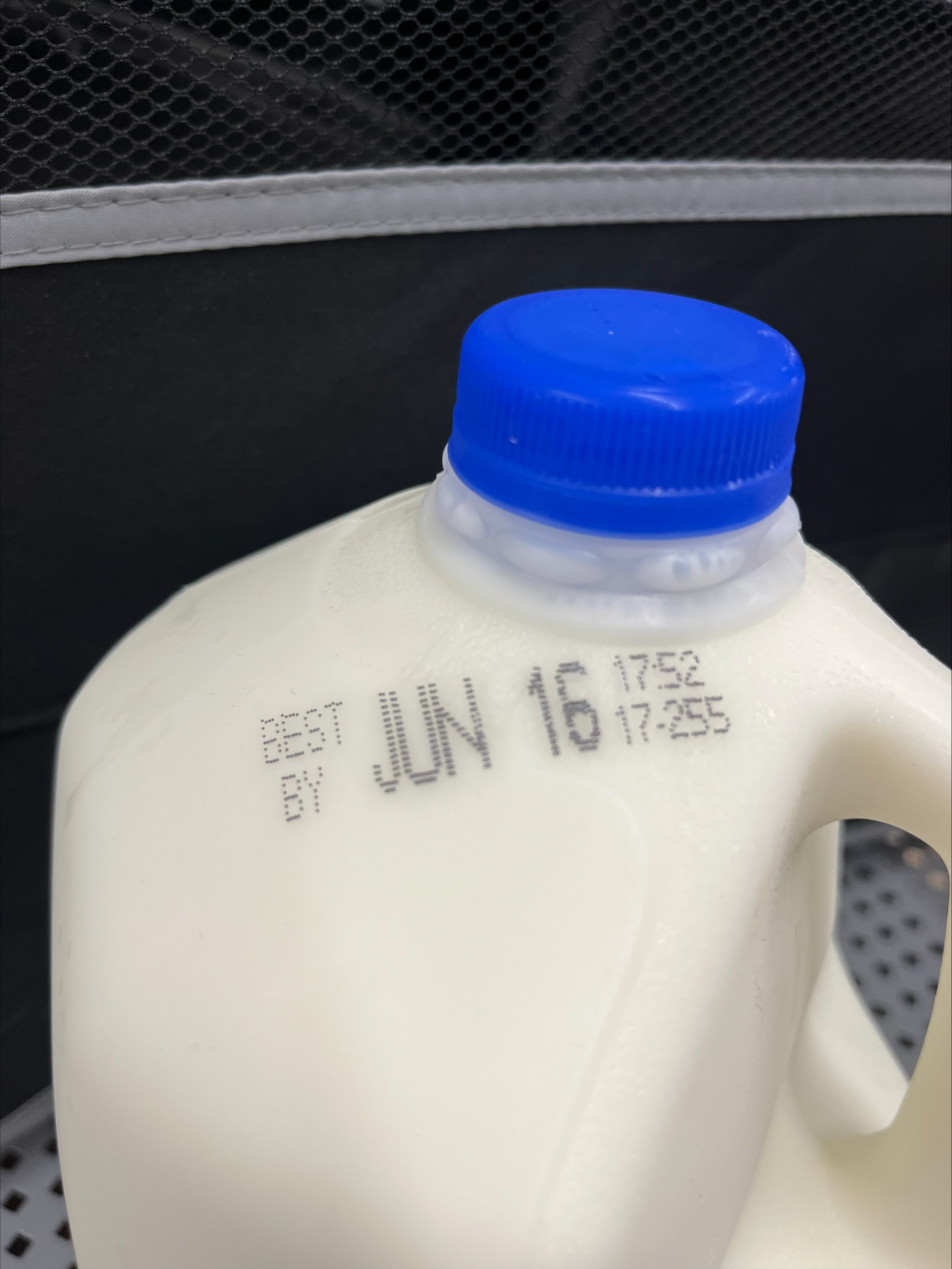
See those numbers on the carton that include a dash? In this example, they are “(insert number here)”. Those make up the Interstate Milk Shipper code. You can go to a website called “Where Is My Milk From?” and enter the code into a search box. Voila! It tells you the actual farm that sold your milk to the processing plant. In fact, all dairy products have an IMS code. You can look up any of the dairy products in your fridge.
Why is this so cool? Well, for one thing, it’s fascinating to note how many local farmers contribute to milk and dairy production. On average, milk travels 315 miles from the dairy to your store.
The Interstate Milk Shippers Program also helps the plant guarantee that milk products are free from things like antibiotics and that all states observe the same regulations for Grade A fluid milk. Farmers use a variety of methods to keep their animals healthy. The truth is that only sick cows are given antibiotics, and a sick cow is not allowed to contribute to the milk supply. In fact, a cow’s milk must be antibiotic free for four days before being allowed into the milk supply. A dairy farm would face serious penalties for not complying with this, and might even lose its license.
Now that you know where your milk is from, learn more about the other claims on your milk label.






0 Comments