The Science Behind A High Quality Steak
The cattle at the Larson Martz family farm get ultrasounds, but not for the reason you might think. Experience and technology work together to help beef farmers determine when the time is right for an animal to go to market, resulting in high quality steaks and beef products.
Like the old saying goes, practice makes perfect when it comes to raising cattle. As farmers gain experience raising cattle, they learn how to factor in age, weight and body condition to determine when cattle are ready to go to market.
While experience is still a key component in raising cattle, technology has come a long way in taking some of the guess-work out of beef farming. Today, farmers use ultrasound technology to know exactly when an animal is ready to go to market.
Good steak requires strong marbling
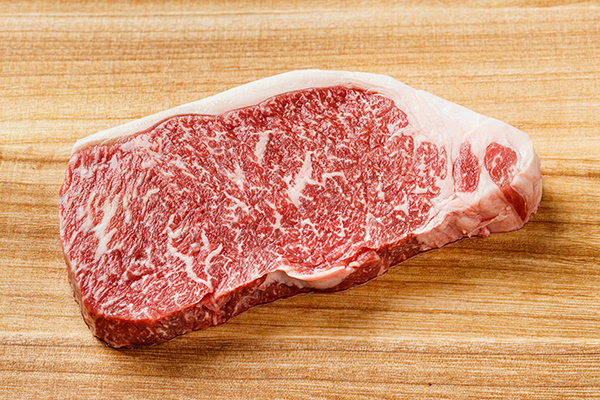
If you’ve ever googled how to pick a good steak, the first tip you probably found was to look for good marbling. Marbling is the intramuscular fat – those white flecks you see dispersed throughout the meat. That is where the juicy flavor comes from, and its primarily unsaturated fat (so you can feel good eating it)! When you’re looking for quality beef, marbling is key.
Raising cattle is a science
While a group of cattle may get fed the same diet for the same amount of time, cattle will grow and develop differently due to their genetic makeup.
Rather than assuming a whole group of cattle will perform the same based on their age and weight, at Larson Farms, we ultrasound our cattle 100 days before we expect them to be ready for market. This allows us to customize treatment for each cow and adjust that projected market date if necessary. Ultrasound technology ensures every animal that leaves our farm will deliver high-quality beef to the end consumer.
Here’s how ultrasound technology works on our farm:

By placing an ultrasound transducer on an animal’s back, we can see the layers of bone, muscle and fat. The grey strip in the middle of the image is the muscle, a.k.a. meat. The white line at the top of the screen is a layer of back fat. This is the fat that is normally trimmed off of the outer edge of a steak (saturated fat).

The white flecks within the grey are the marbling we want to see. Rather than relying on an animal’s age and weight to determine when they are market ready, we can look directly at the trait that is most important to our customers: marbling. Once the maximum marbling is obtained for an individual animal’s potential, that animal is ready to go to market.
Raising for Quality Beef, Not Quantity
Over the years, this technology has helped us improve overall meat quality. We share our data with the farmers we buy calves from so they can know which cows and bulls are producing animals that genetically lend themselves to excellent marbling. Using that information, they improve their herd’s genetics and sell us animals that produce high-quality meat more efficiently. This improves our farm’s sustainability by having cattle that grow using fewer resources.

We’ve built our reputation on quality beef and take great pride in providing beef that makes people come back for more. Learn more about what makes for a great steak.








0 Comments